top of page

Music Theory and Discourse
Writings on discussing different sets of music theories, as well as practical application of theoretical analysis.


Neo-Riemannian Theory, the P (3,0) Chord, and Rock Music
Neo-Riemannian theory is an extremely versatile way of analyzing and composing harmony and focuses on moving chord tones by half step to lead into new chords, known as voice leading transformations. There are three types of transformations: parallel (P) – when a major triad becomes minor, (or vice versa), relative (R) – where the relative major or minor of a triad is created), and Leading Tone (l) – where the root of a major triad moves down by a half step and becomes the fi
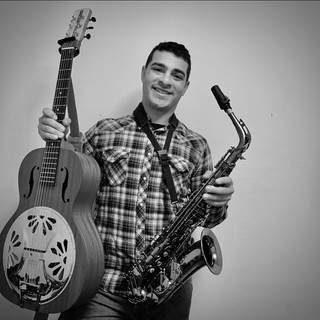
Dante D'Angelo
Mar 36 min read


Does Schema Theory Apply to Music
Perhaps the most overlooked sub-genre of music theory in undergraduate programs, schema theory is the belief that a person establishes a set of expectations when they find themselves in familiar situations. Two relevant readings pertaining to schema theory in music are David Huron’s eleventh chapter of Sweet Anticipation: Music and the Psychology of Expectation , and Janet Bourne’s “Perceiving Irony in Music: The problem in Beethoven’s String Quartets”. Huron’s writings ref
Dante D'Angelo
Mar 35 min read


A Reflection on Two Approaches to Music Theory
The discussion of how to best define the methods and/or framework of music theory is a topic with endless points of discussion. Of these points, two highly relevant sources on the matter are “Theory” by David Carson Berry and Sherman Van Solkema, and “Chapter Six: The Object of Musical Analysis” from Jean-Jacques Nattiez’s Music and Discourse . Both writings discuss various approaches to understanding and utilizing methods and frameworks for effective analytical discourse w
Dante D'Angelo
Mar 35 min read
bottom of page